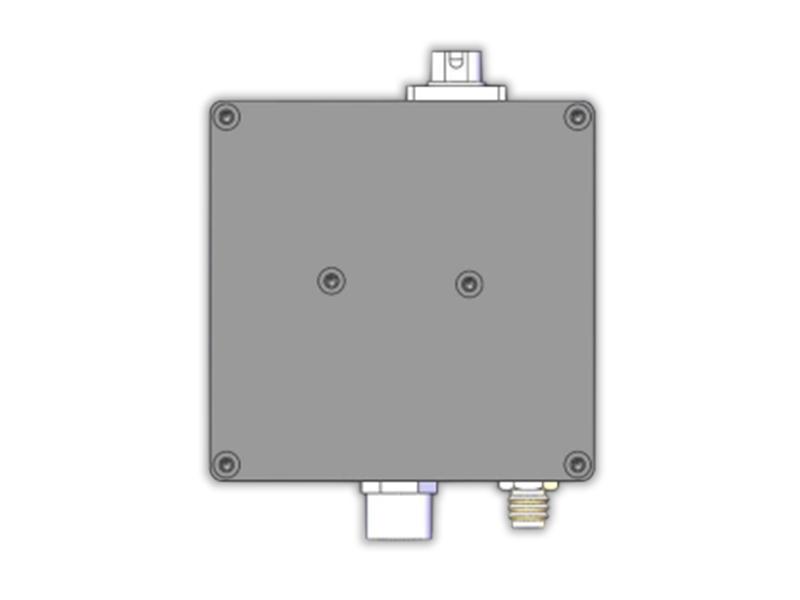
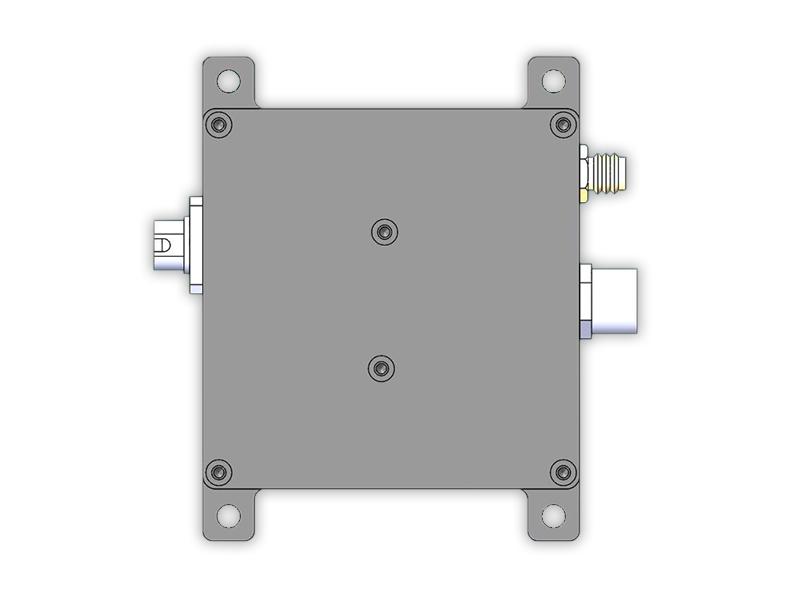
El principio de funcionamiento de un detector APD se basa en dos mecanismos fundamentales: el efecto fotoeléctrico y el efecto de multiplicación de avalanchas, y todo el proceso se puede dividir en dos etapas clave.
Etapa 1: Conversión fotoeléctrica
El núcleo de un detector APD es una unión PN hecha de materiales semiconductores. Cuando la señal óptica objetivo irradia la región fotosensible de la unión PN, la energía de los fotones es absorbida por los electrones del semiconductor. Si la energía del fotón es mayor que el ancho de banda prohibida del semiconductor, los electrones saltarán de la banda de valencia a la banda de conducción, dejando huecos en la banda de valencia al mismo tiempo y formando pares de "portadores fotogenerados" (pares electrón-hueco). Este paso completa la conversión preliminar de señales ópticas en señales eléctricas, lo cual es consistente con el principio de funcionamiento de los fotodiodos comunes.
Etapa 2: Multiplicación de avalanchas
Esta es la clave que distingue a los detectores APD de los dispositivos convencionales. Se aplica una tensión de polarización inversa mucho mayor que su tensión de ruptura a través de la unión PN del dispositivo, lo que crea un campo eléctrico extremadamente intenso en su interior. Los portadores fotogenerados generados en la primera etapa se aceleran bajo la acción del intenso campo eléctrico para obtener una energía cinética extremadamente alta. Los portadores en movimiento a alta velocidad colisionan con átomos en la red del semiconductor, extrayendo electrones de los átomos de la red y formando nuevos pares electrón-hueco. Estos portadores recién generados también se aceleran por el intenso campo eléctrico y continúan colisionando con otros átomos, generando más portadores. Este proceso es similar a una avalancha, que provoca un aumento brusco del número de portadores, amplificando así la débil corriente fotogenerada inicial miles o incluso decenas de miles de veces.
Tras la multiplicación por avalancha, la señal eléctrica puede detectarse y leerse con precisión mediante el procesamiento posterior del circuito. Este mecanismo único de "conversión fotoeléctrica + amplificación por avalancha" permite...
Detectores APD
Demostrar ventajas incomparables sobre los dispositivos de detección fotoeléctrica ordinarios en escenarios de detección de señales ópticas débiles.